Facial massage: the 6 most common mistakes in the treatment room (and how to fix them)
Pressure, pace, assessment, breathing… Discover the most common facial-massage mistakes and the method to fix them for good.
By Déborah · June 10, 2026
Facial massage is an incredibly powerful treatment — as long as you avoid certain traps that, even when subtle, significantly reduce its effects. Here are the 6 most common mistakes seen in the treatment room, and the concrete method to fix each one.
Why these mistakes are so widespread
Most initial facial massage training teaches technical movements — pressure, direction, sequencing — but rarely addresses real-time observation and adaptation. The result: many estheticians run a technically correct protocol without ever adjusting it to what's actually happening under their fingers.
But a truly effective facial massage isn't a fixed choreography. It's an ongoing dialogue between your hands and your client's body. The 6 mistakes below all share the same root cause: they replace that dialogue with automatic execution.
The 6 most common mistakes in the treatment room
1. Skipping the assessment
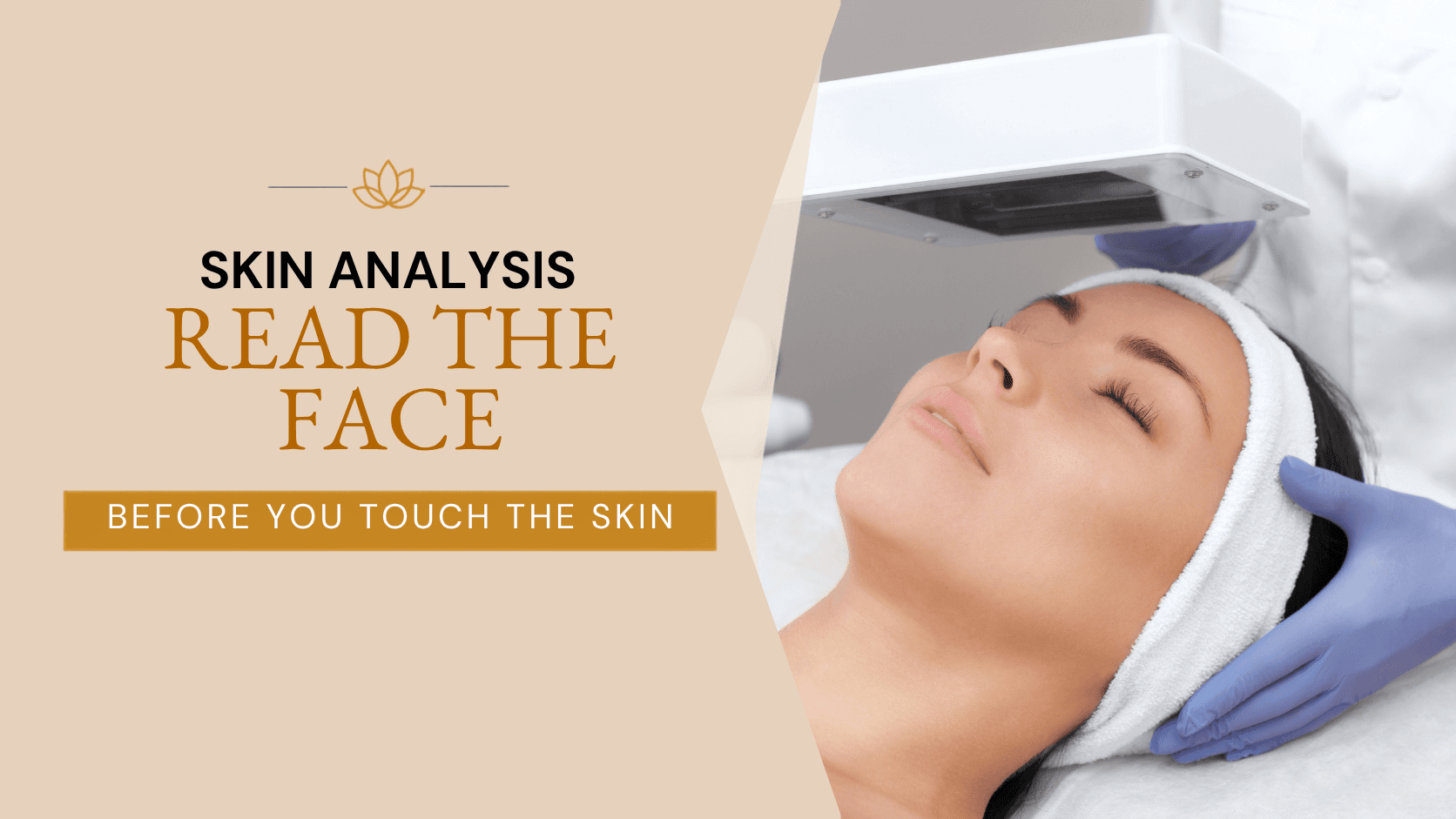
This is mistake number one, and the most common. Jumping straight into the standard protocol means missing the essentials: every face tells a different story. Jaw tension, a tight forehead, puffiness, asymmetries — this information radically changes what the massage should prioritise that day.
Systematically take 2 to 3 minutes before starting to observe and touch the face in silence: where are the hard areas, where does the skin react, where does your client's breath catch when you place your hands? This quick assessment shapes the rest of the treatment.
2. The wrong pressure
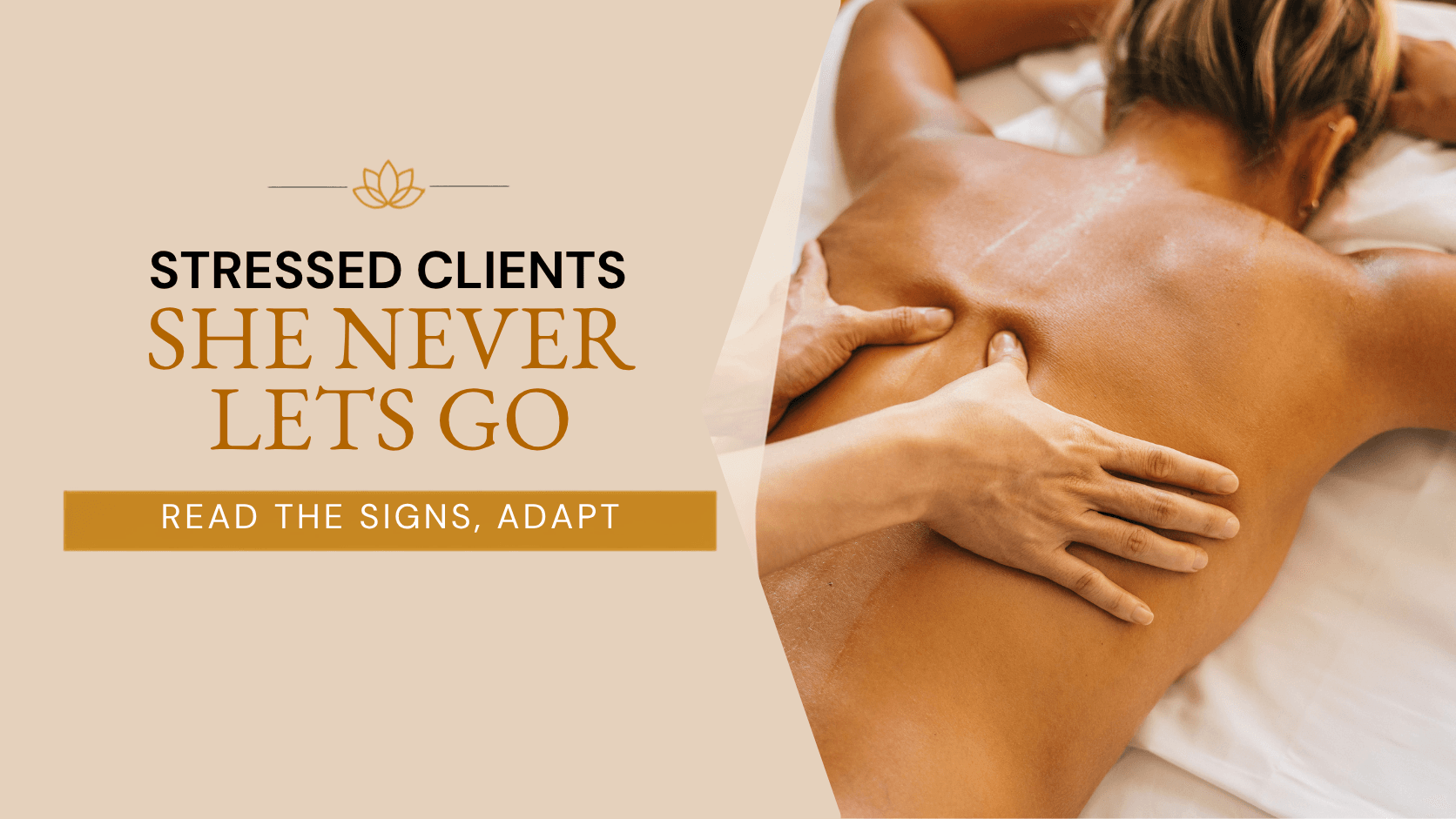
Too light, and the massage doesn't reach deep tension and stays superficial. Too firm, and it creates discomfort, triggers a muscular defence reaction, and blocks the very relaxation you're aiming for. The right pressure isn't fixed: it evolves throughout the treatment and from one area to another — firmer on tension areas identified during the assessment, gentler and more enveloping on sensitive areas (eye contour, neck).
A simple cue: if you feel your client's jaw tighten further under your fingers, the pressure is probably too firm for that area at that moment.
Here's the reflex I build into every session with my clients: right at the start of the massage, I ask whether the pressure feels right. If she says yes, I simply reply, "great, don't hesitate to tell me if you'd like anything changed" — that opens the door for her to speak up at any point, without feeling awkward about asking. If she hesitates, I adjust immediately and check back in after a few movements. This one small feedback loop solves half of all pressure problems.
3. A pace that's too fast
In the treatment room, the temptation to speed up to "fit everything in" within the allotted time is real. But relaxation is almost always born of slowness, not the number of movements performed. A slow, steady pace sends the nervous system a signal of safety — and that's precisely when visible relaxation on the face starts to take hold.
If you feel yourself speeding up because of time pressure, it's better to cut the number of planned movements while keeping a slow pace, rather than keeping every movement while rushing through them.
4. Forgetting the neck and nape
The face doesn't stop at the chin. A large part of visible facial tension — a clenched jaw, a furrowed brow — is rooted in the neck, the trapezius muscles and the base of the skull. Neglecting these areas means giving up a good half of the treatment's potential results, even with flawless work on the face itself.
Systematically build in a few minutes on the neck and trapezius at the start of the session: it's often what allows the rest of the face to release more easily afterwards.
5. Ignoring the breath
Your client's breathing is one of your best indicators during the treatment. Short, high breathing (in the upper chest) generally signals stress or tension; deep, low breathing (in the belly) signals genuine release. Watch it, and guide it if needed: a few deep breaths offered at the start of the treatment, with verbal guidance ("let's breathe deeply together"), often shifts the trajectory of the whole appointment.
6. Rushing the end of the treatment
The final minutes are often the ones your client remembers most precisely as she leaves. An abrupt ending — sitting up quickly, switching the light back on suddenly, moving straight into payment — undoes a large part of the relaxation work built during the treatment. Finish gently: allow a few moments of silent rest, accompany a gradual return to light and movement, and only then move on to advice and next steps.
This is something I'm strict about: I've seen, in salons and spas alike, practitioners sit a client up abruptly by cranking the table's backrest up — sometimes when she was nearly asleep moments before. It's jarring, and it feels like she has to "jump out of bed" to make room for whatever's next. Let her come back to herself at her own pace, keep a warm towel within reach to wipe off any excess oil, and make sure to dry her feet before she stands up — so she doesn't slip getting off the table.
A good facial massage isn't measured by the complexity of the movements learned, but by the quality of presence and real-time adaptability.
The comfort details that often get overlooked
Beyond the 6 main mistakes, a few subtler details make a real difference to how the treatment feels overall:
- Hide your clock during the treatment. Keep a discreet reference point for yourself, but avoid letting your client see it. Abruptly reminding her what time it is also reminds her of everything she has to do afterwards — and that instantly undoes the relaxation you've built.
- Use a bolster under the knees (lying on her back) or under the feet (lying face down). This small support prevents unnecessary lower-back tension throughout the treatment, especially on longer sessions.
- Always keep contact with your client. When you move to a new area or reapply oil, try never to fully let go of the body — even a light linking movement avoids the unpleasant sensation of contact breaking and starting again.
- Check that the oil is always warm, never cold. Oil straight out of the bottle startles the body and tenses it up at the exact moment you're trying to relax it. Warm it in your hands every single time before applying it.
How to progress in practice
Fixing these mistakes doesn't require learning new techniques: it mostly requires slowing down and observing more of what's happening during the treatment, rather than following a memorised sequence.
A few concrete practices that help you progress quickly:
- Film yourself (or have someone film you) during a treatment, with the client's consent, to observe your own pace from the outside — many estheticians discover they're moving faster than they thought.
- Ask a few trusted clients directly for feedback on the pressure and pace they experienced, rather than waiting for them to mention it unprompted.
- Practise assessing out loud at first: naming what you observe ("I can feel tension here") forces you to genuinely identify it, and reassures the client that you're paying attention.
- Train in a structured method that integrates assessment, adaptation and breathing into a clear framework, rather than trying to bolt them onto a protocol you've already learned.
The role of assessment and breathing in the ORA method
These two points — assessment before the treatment and attention to breathing during it — sit at the heart of the ORA Restore & Reconnect method. The core idea is simple: a facial massage works more effectively when the client's nervous system is already regulating during the treatment, not only settling at the end.
In practice, that means building every treatment as a progression: observation and guided breathing at the opening, continuous adaptation of pressure and pace throughout the massage, and an ending that extends the relaxation rather than cutting it short.
FAQ — Fixing facial massage mistakes
How long does it take to fix these mistakes for good? It depends on the mistake: adjusting your pace or pressure can be felt from the very first sessions where you deliberately pay attention to it. Building a genuine, systematic assessment reflex generally takes several weeks of conscious practice before it becomes automatic.
Should certain areas of the face be avoided entirely? Certain areas call for particular attention (eye contour, very thin skin, areas recently treated medically) rather than complete avoidance — adapt the pressure and technique without necessarily excluding the area from the protocol, unless there's a specific medical contraindication flagged by the client.
How do you know if the pressure you're applying is right? Watch for the body's responses rather than relying on a fixed rule: breathing that deepens and muscles that release under your fingers indicate suitable pressure. Tensing up, breath catching, or a pulling-away movement signal that the pressure needs adjusting immediately.
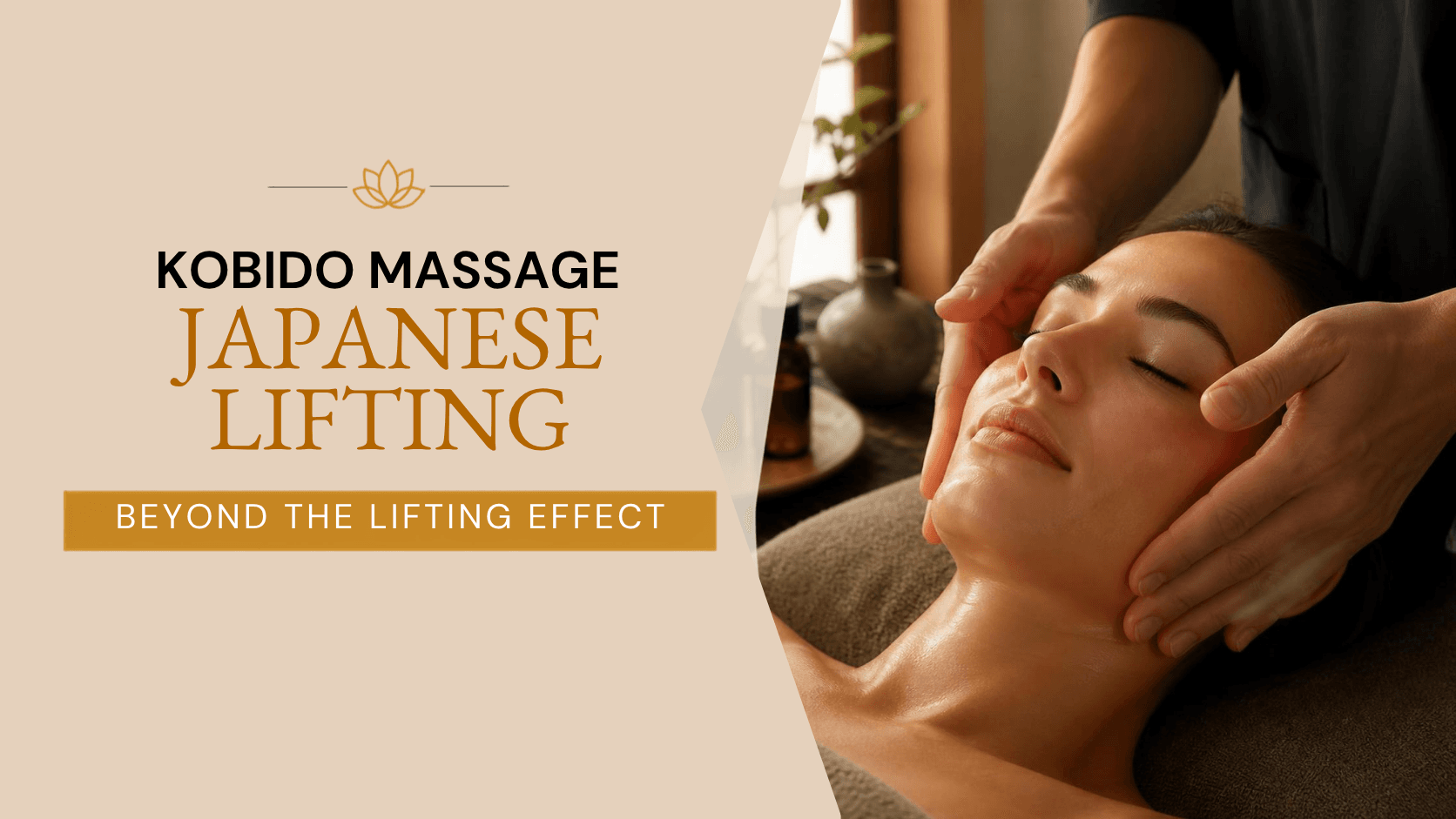
What's the difference between a relaxing massage and a lifting massage? A relaxing massage favours slowness and enveloping movements to encourage the nervous system to let go. A lifting massage adds more toning, targeted manoeuvres to stimulate circulation and muscle tone. Both benefit from an assessment and breathing phase at the opening — the real difference lies mainly in the intensity and pace of the movements themselves.
Going further
Fixing these mistakes mostly requires a methodical framework — assessment, adaptation, pace, breathing — rather than a pile of new techniques. That's exactly the logic behind the ORA Restore & Reconnect training.
To get started today, get Chapter 1 of the ebook “Elevate Your Client Experience” — it's free, with the two check-lists you can use with your very next client. You can also discover how to build a signature treatment that naturally integrates these good practices.